

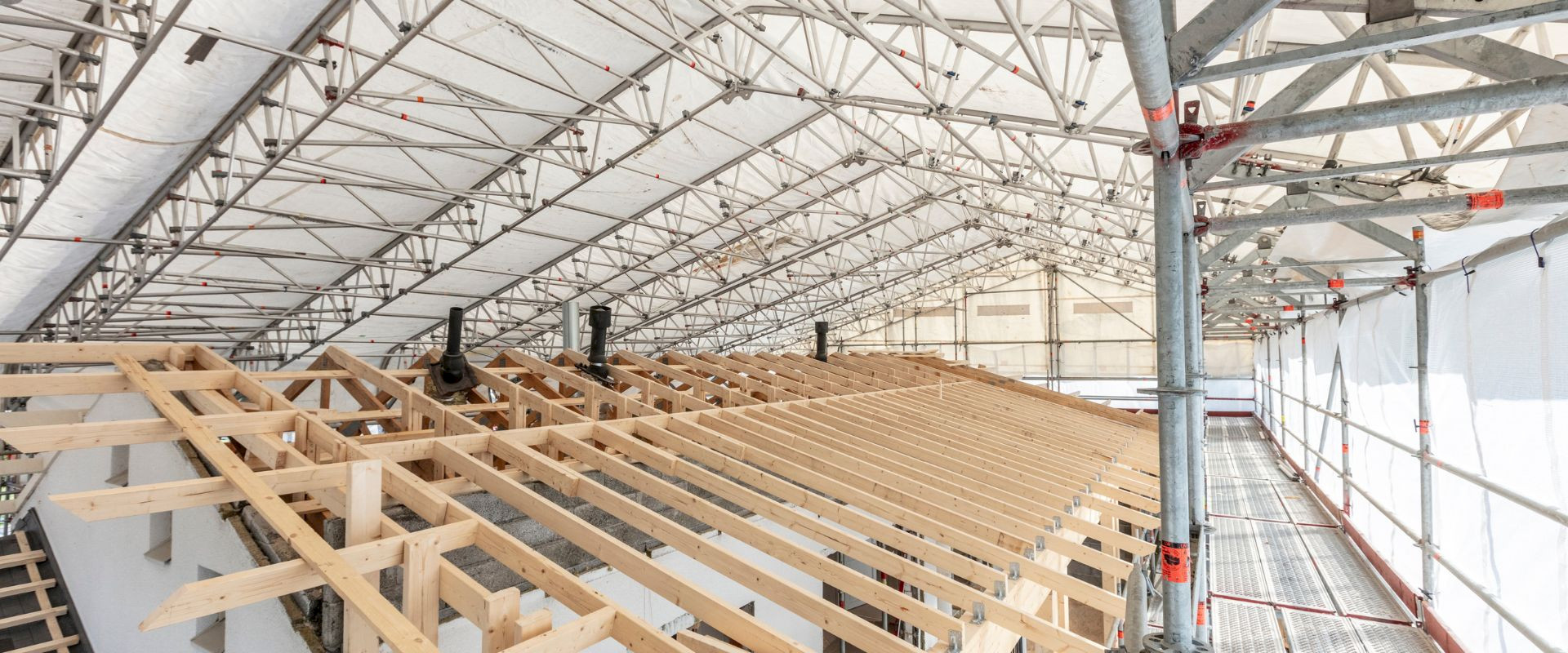
The Importance of Wellbeing at Work in the Construction Industry – More Than Just a Goal

On a construction site, you can quickly see when the overall project is under control and when it is not. In the construction industry, wellbeing at work does not happen by chance. It is built through planning, leadership, and foresight. When these are handled carefully, work progresses more safely and in a more controlled way.
The importance of wellbeing at work in the construction industry is significant, and for good reason. Construction work places both physical and mental demands on employees, while the working environment is constantly changing. Construction sites evolve according to each project, and work areas and conditions may change even from week to week. This requires continuous adaptability, flexibility, and attentiveness from employees.
Physical strain can be seen in heavy lifting, demanding working positions, and changing weather conditions. At the same time, mental strain is increased by tight schedules, safety responsibilities, and the pressure of coordinating different phases of work. Construction projects involve cooperation between many different trades, where a delay by one party can affect the entire chain. For this reason, schedule management, commitment, and smooth cooperation are key factors in both wellbeing at work and occupational safety.
Wellbeing at Work Does Not Happen on Its Own
In my view, wellbeing at work in the construction industry cannot be treated as a secondary issue. It must be part of the company’s values and daily management. The company is responsible for creating conditions in which employees can carry out their work safely and in a controlled manner.
Above all, this means clear site management and open communication. When employees know what is being done, when it will be done, and what resources are available, unnecessary uncertainty and stress are reduced. The presence of supervisors and other office staff on site is important, not only from a monitoring perspective but also for listening and providing support. When employees feel heard, their commitment and motivation increase.
Adequate resourcing is also a key part of wellbeing at work. An overly tight schedule combined with insufficient staffing increases pressure, mistakes, and the risk of accidents. In the long term, it also weakens work quality and the workplace atmosphere.
Schedule Planning Supports Wellbeing
A well-prepared schedule is one of the most important factors affecting wellbeing at work. Poor scheduling creates overlapping work phases, unnecessary waiting, and time pressure. It increases mental strain and may also compromise safety.
A realistic schedule, on the other hand, brings clarity. When work phases are arranged sensibly and the work of different contractors is coordinated, the project progresses in a more controlled way. This reduces stress and improves cooperation. The schedule should also be flexible when circumstances change. If delays occur, plans must be updated quickly so that the pressure does not fall on employees.
Good schedule planning is not only about efficiency. It is also about responsibility. It shows that employee wellbeing and safety are genuinely taken into account.
Advance Planning of Demolition and Material Handling Is the Foundation of Safety
Demolition and material handling work in particular require careful advance planning. These phases often involve greater risks, and the consequences of mistakes can be serious.
Before demolition work begins, it is important to assess the structures, possible hazards, dust control, fall risks, and waste handling. In material handling work, particular attention must be paid to transport routes, the use of lifting equipment, available space, and coordination with other phases of work.
When these matters are planned in advance, rushed decisions can be avoided. Advance planning brings structure to the construction site, reduces the risk of accidents, and increases employees’ sense of safety. It is a practical way to show that wellbeing at work is taken seriously.
Wellbeing Benefits the Entire Construction Site
A safe and well-managed construction site leads to better work quality, smoother cooperation, and, most importantly, helps people maintain their ability to work. In the construction industry, wellbeing at work is not an added benefit. It is the foundation of sustainable and responsible operations.
Ultimately, it is about foresight, systematic planning, and valuing people. When a company invests in good leadership, realistic scheduling, and careful planning of high-risk work phases, wellbeing at work does not remain just an idea. It becomes visible in everyday actions on the construction site.
Wellbeing at work is also something we continuously develop at Jokiväri. In the construction industry, this work is never complete, but it must be worked on every day through planning, leadership, and daily activities on site.
-Jesse
Regional Manager, Helsinki Metropolitan Area, Jokiväri